
Recovering from Loss: Finding Strength in the Midst of Grief
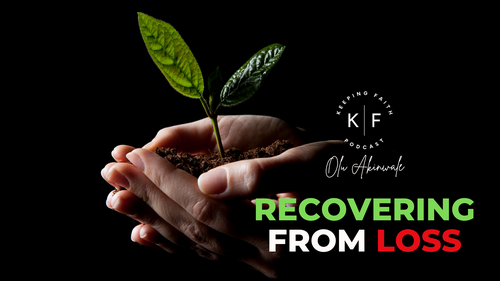
Life is a journey filled with ups and downs, joys and sorrows. One of the most challenging experiences we face is dealing with loss. Whether it's the loss of a loved one, a relationship, a job, or even our sense of identity, the pain can be overwhelming. However, there is hope and a path to recovery, even in the darkest of times.
The Nature of Loss
Loss comes in many forms, and its impact varies from person to person. What may seem insignificant to one individual could be devastating to another. Some losses are permanent, leaving an irreplaceable void in our lives. Others are temporary, offering the possibility of restoration or replacement. Regardless of the type, all significant losses share one common thread: they cause grief.
Grief is a deeply personal experience, often misunderstood by those around us. It's an internal struggle, a perceived loss that others may not fully comprehend or appreciate. This lack of understanding can lead to feelings of isolation and loneliness, compounding the pain we already feel.
The Biblical Perspective on Loss
The Bible offers numerous examples of individuals who faced significant losses. One such person was David, a man after God's own heart. Despite being anointed as the future king of Israel, David's life was marked by periods of intense struggle and loss. He experienced the loss of family, safety, and even his sense of identity at various points in his journey.
In 1 Samuel, we read about a particularly devastating moment in David's life. Upon returning to his town of Ziklag, he discovered that the Amalekites had invaded, burning the city and taking captive all the women and children, including David's own family. The Bible tells us that "David and his men wept aloud until they had no strength left to weep" (1 Samuel 30:4).
Steps to Recovery
The Promise of Comfort
In the Beatitudes, Jesus offers a powerful promise to those who mourn: "Blessed are those who mourn, for they will be comforted" (Matthew 5:4). This assurance reminds us that our grief is not in vain and that God Himself will provide the comfort we need.
Similarly, in Jeremiah 31:9, God speaks tenderly to His people, saying, "They will come with weeping; they will pray as I bring them back. I will lead them beside streams of water on a level path where they will not stumble." This beautiful imagery illustrates God's commitment to guiding us through our grief and into a place of restoration.
Practical Steps for Healing
As we navigate the journey of recovery, there are practical steps we can take to support our healing process:
Conclusion
Loss is an inevitable part of the human experience, but it doesn't have to define us. By allowing ourselves to grieve, seeking God's guidance, and taking intentional steps towards recovery, we can find hope and healing even in the midst of our deepest pain.
Remember, your journey of recovery is unique to you. Don't let others dictate how you should feel or how long your grief should last. Instead, lean on God's strength, draw comfort from His promises, and trust that He will guide you through this difficult season.
As you face your losses, big or small, temporary or permanent, know that you are not alone. God is with you, ready to provide the comfort, strength, and guidance you need to not just survive, but to move forward with hope and purpose. In your moments of deepest sorrow, may you find solace in the arms of a loving Father who weeps with you and promises to lead you beside still waters, restoring your soul.
The Nature of Loss
Loss comes in many forms, and its impact varies from person to person. What may seem insignificant to one individual could be devastating to another. Some losses are permanent, leaving an irreplaceable void in our lives. Others are temporary, offering the possibility of restoration or replacement. Regardless of the type, all significant losses share one common thread: they cause grief.
Grief is a deeply personal experience, often misunderstood by those around us. It's an internal struggle, a perceived loss that others may not fully comprehend or appreciate. This lack of understanding can lead to feelings of isolation and loneliness, compounding the pain we already feel.
The Biblical Perspective on Loss
The Bible offers numerous examples of individuals who faced significant losses. One such person was David, a man after God's own heart. Despite being anointed as the future king of Israel, David's life was marked by periods of intense struggle and loss. He experienced the loss of family, safety, and even his sense of identity at various points in his journey.
In 1 Samuel, we read about a particularly devastating moment in David's life. Upon returning to his town of Ziklag, he discovered that the Amalekites had invaded, burning the city and taking captive all the women and children, including David's own family. The Bible tells us that "David and his men wept aloud until they had no strength left to weep" (1 Samuel 30:4).
Steps to Recovery
- Allow Yourself to Grieve
- Take Control of Your Situation
- Seek God's Guidance
- Avoid Bitterness and Offense
- Move Forward, Not On
The Promise of Comfort
In the Beatitudes, Jesus offers a powerful promise to those who mourn: "Blessed are those who mourn, for they will be comforted" (Matthew 5:4). This assurance reminds us that our grief is not in vain and that God Himself will provide the comfort we need.
Similarly, in Jeremiah 31:9, God speaks tenderly to His people, saying, "They will come with weeping; they will pray as I bring them back. I will lead them beside streams of water on a level path where they will not stumble." This beautiful imagery illustrates God's commitment to guiding us through our grief and into a place of restoration.
Practical Steps for Healing
As we navigate the journey of recovery, there are practical steps we can take to support our healing process:
- Express your feelings through prayer, journaling, or talking with a trusted friend.
- Seek support from your faith community or a professional counselor.
- Engage in activities that bring you peace and comfort, such as reading Scripture, listening to worship music, or spending time in nature.
- Be patient with yourself, recognizing that healing takes time.
- Look for ways to honor what was lost while still moving forward in your life.
Conclusion
Loss is an inevitable part of the human experience, but it doesn't have to define us. By allowing ourselves to grieve, seeking God's guidance, and taking intentional steps towards recovery, we can find hope and healing even in the midst of our deepest pain.
Remember, your journey of recovery is unique to you. Don't let others dictate how you should feel or how long your grief should last. Instead, lean on God's strength, draw comfort from His promises, and trust that He will guide you through this difficult season.
As you face your losses, big or small, temporary or permanent, know that you are not alone. God is with you, ready to provide the comfort, strength, and guidance you need to not just survive, but to move forward with hope and purpose. In your moments of deepest sorrow, may you find solace in the arms of a loving Father who weeps with you and promises to lead you beside still waters, restoring your soul.
Recent
Archive
2025
January
February
March
April
May
June
July
August
2024
September
November
2020
February
June
No Comments